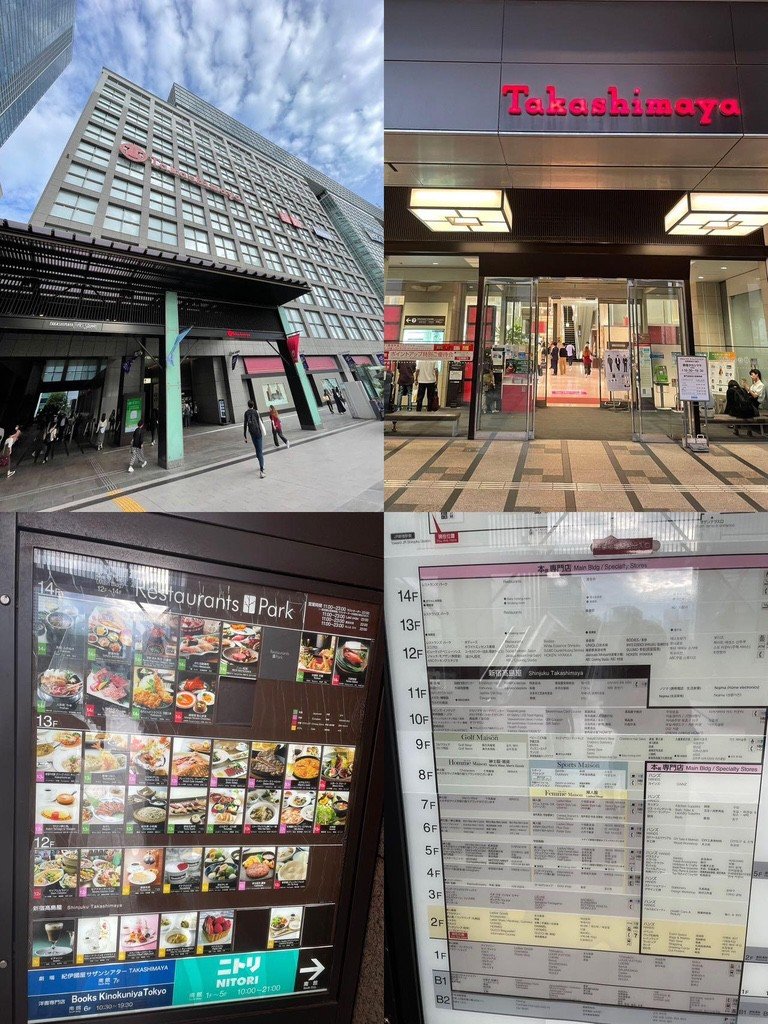
One of my favorite things to do when traveling in Tokyo is to duck down the seemingly inconspicuous side streets. Hanazono Shrine (花園神社), located in the absolute heart of Shinjuku, is one of those places where you “step into another world.”
Contents
⛩️ Hanazono Shrine: A Serene Escape in the Heart of Shinjuku’s Chaos
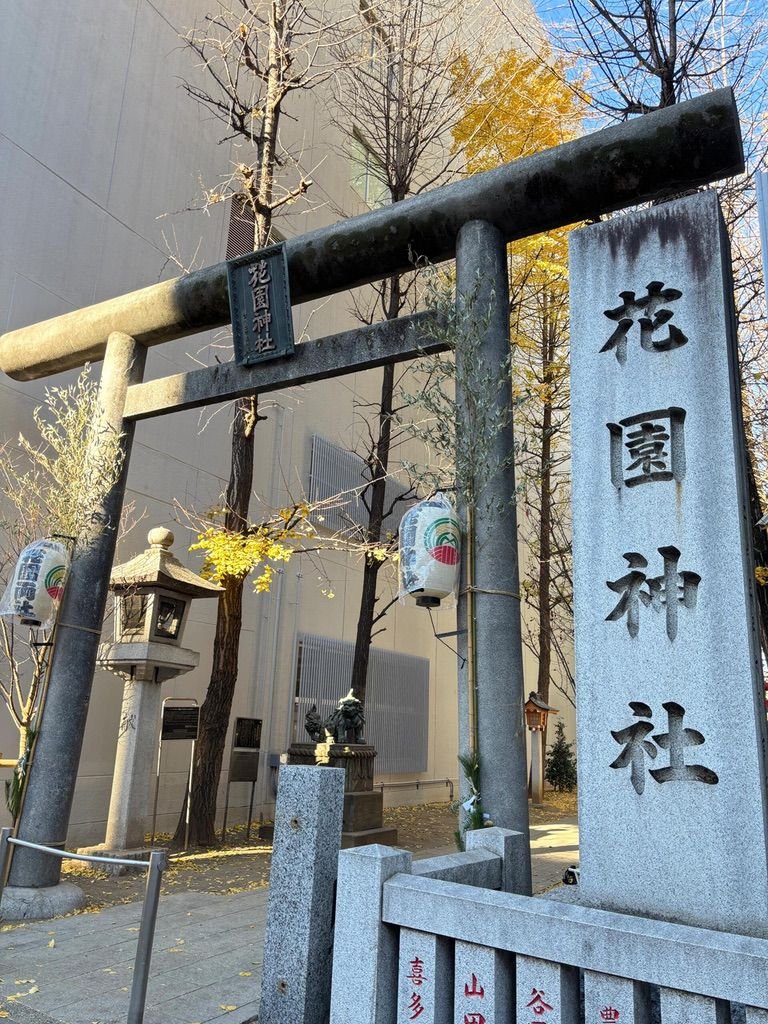
One of my favorite things to do when traveling in Tokyo is to duck down the seemingly inconspicuous side streets. Hanazono Shrine (花園神社), located in the absolute heart of Shinjuku, is one of those places where you “step into another world.”
It’s right across from Isetan Men’s, surrounded by the non-stop energy of the city, yet it holds a profound, well-like quiet.
History: The Guardian of Shinjuku
Long before Shinjuku became a neon jungle, Hanazono Shrine was already here. Founded in the early 17th century — before even Tokugawa Ieyasu took control of Edo — it has watched over this district for more than 400 years. It is the local ujigami (guardian deity) of Shinjuku, which is why locals still treat it as the spiritual anchor of the neighborhood.
The shrine is dedicated to Ukanomitama-no-kami, the deity of food and harvest, which explains why merchants from nearby Golden Gai and Kabukicho still come here to pray for prosperous business.
How to Get There
The shrine is a 3-minute walk from Shinjuku-Sanchome Station (Marunouchi / Fukutoshin / Toei Shinjuku lines, exits E2 or B3), and about 7 minutes on foot from JR Shinjuku Station’s East Exit. If you can see the Isetan department store, you are basically there — the shrine sits directly behind it.
Festivals You Should Not Miss
The biggest event of the year is the Tori-no-Ichi (Rooster Market) held every November. Ornate kumade rakes decorated with gold and lucky charms fill the grounds, and the clapping ritual after each sale is something you will hear from blocks away. In late May, the annual Reitaisai festival brings mikoshi portable shrines into the streets of Shinjuku.
What to See Inside
Beyond the main hall, don’t miss the small Itoku Inari Shrine with its row of vermilion torii gates — one of the most photogenic corners in Shinjuku. At night, the paper lanterns along the approach light up, and the contrast with the skyscrapers behind is pure Tokyo.
Entry is free and the grounds are open 24 hours, though the amulet office keeps regular daytime hours. Come early in the morning if you want the place almost to yourself.