WOW: Sapporo TV Tower Highlights
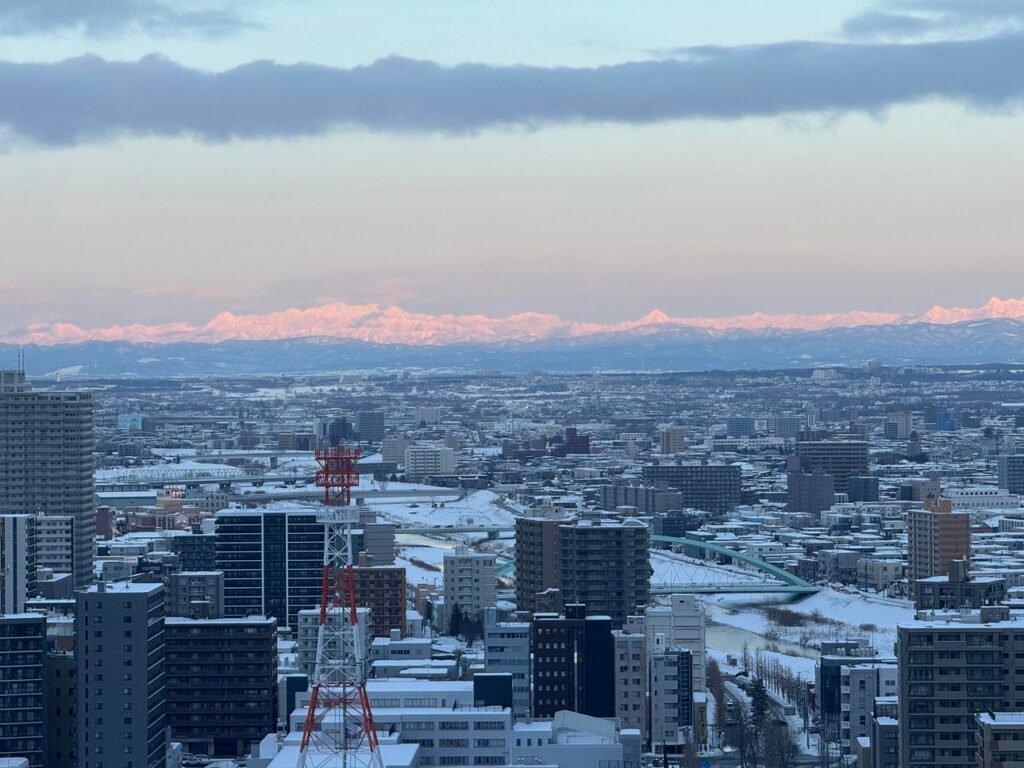
360° Panoramic View: From the 90m observation deck, you can see the “green carpet” of Odori Park, the city streets, and even the distant Ishikari Bay and mountains.
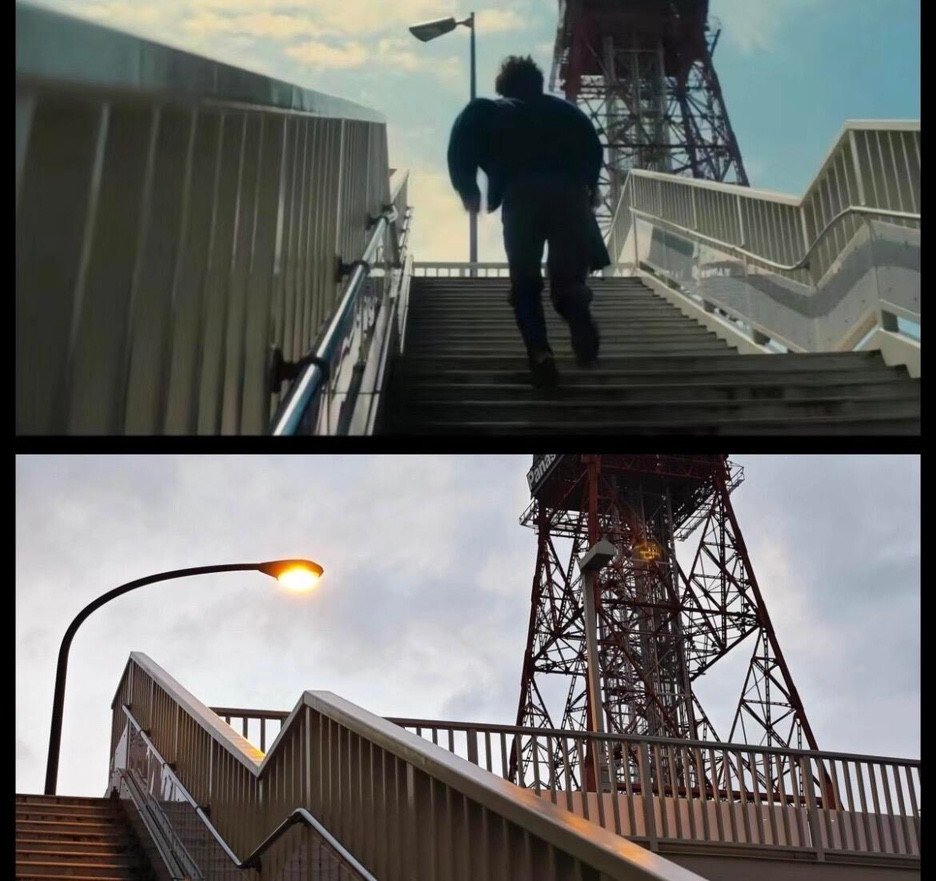
“First Love” Pilgrimage: The pedestrian bridge near the tower is a famous filming location for the Netflix series First Love.
Night Illumination: The tower lights up beautifully at night, with colors changing according to the season. The giant digital clock is a city icon.
Seasonal Epicenter: This is the heart of Sapporo’s biggest events, including the Snow Festival and White Illumination.
🛒 Quick Look: Sapporo TV Tower Essentials
| Feature | Details |
| Access | 1-minute walk from Odori Station |
| Best For | City Views, Night Photography, First Love fans. |
| Hours | 09:00 – 22:00 (Closed on Jan 1st). |
| Ticket Price | 1,000 JPY (Adults). |
| Architect | Tachu Naito (Designed in 1956) – The same architect as Tokyo Tower! |
| Address | 1 Chome Odorinishi, Chuo Ward, Sapporo. |
| Website | tv-tower.co.jp |
🗼 The Landmark: Sapporo TV Tower
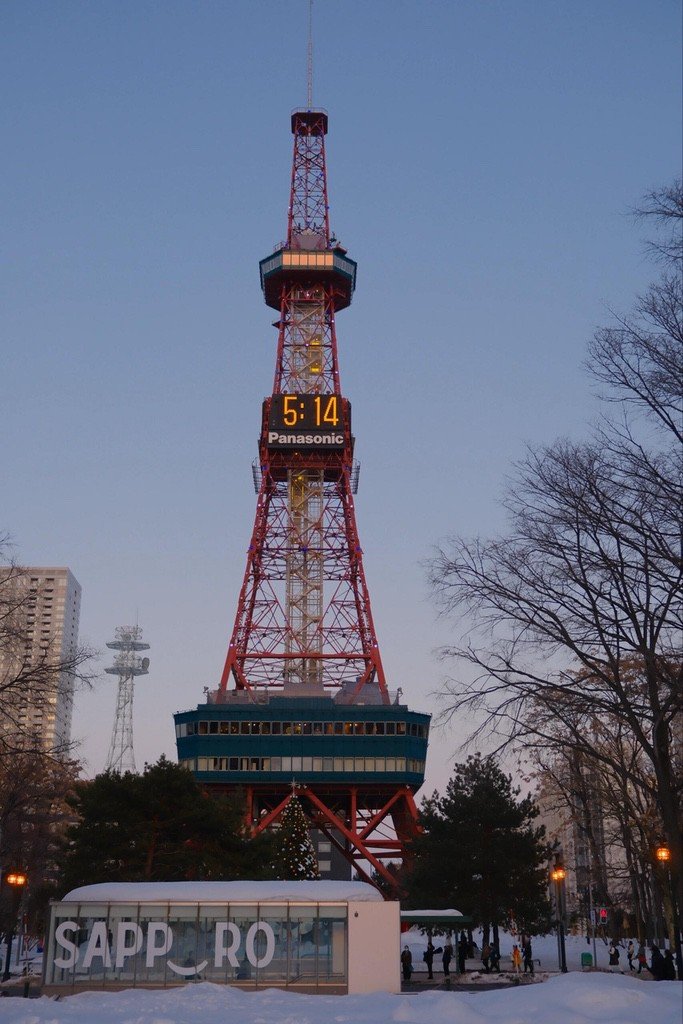
Built in 1957, the Sapporo TV Tower stands at the eastern end of Odori Park. It was designed by Tachu Naito, the father of earthquake-proof architecture in Japan.
The Observation Deck (90m)
For an admission fee of 1,000 JPY, you can take the elevator up to the observation deck. It offers a stunning 360-degree view of Sapporo.
- Daytime: You can see the straight line of Odori Park stretching out, the surrounding mountains, and Teine.
- Nighttime: The city lights creates a romantic atmosphere, making it a “Night View Ceiling” (top-tier view) for tourists.
Real Review: Is it worth it?
- Pros: The view is undeniably classic. It is a “must-punch” card (must-visit) location.
- Cons: Some visitors feel the 1,000 JPY ticket is a bit pricey for the height. Also, be aware that in winter, the snow on the ground near the tower can get “dirty/black” due to foot traffic, so low-angle photos might not look pristine.
🌳 The Green Heart: Odori Park
Stretching 1.5km long and 100m wide, Odori Park is the central spine of Sapporo. It separates the city into North and South.
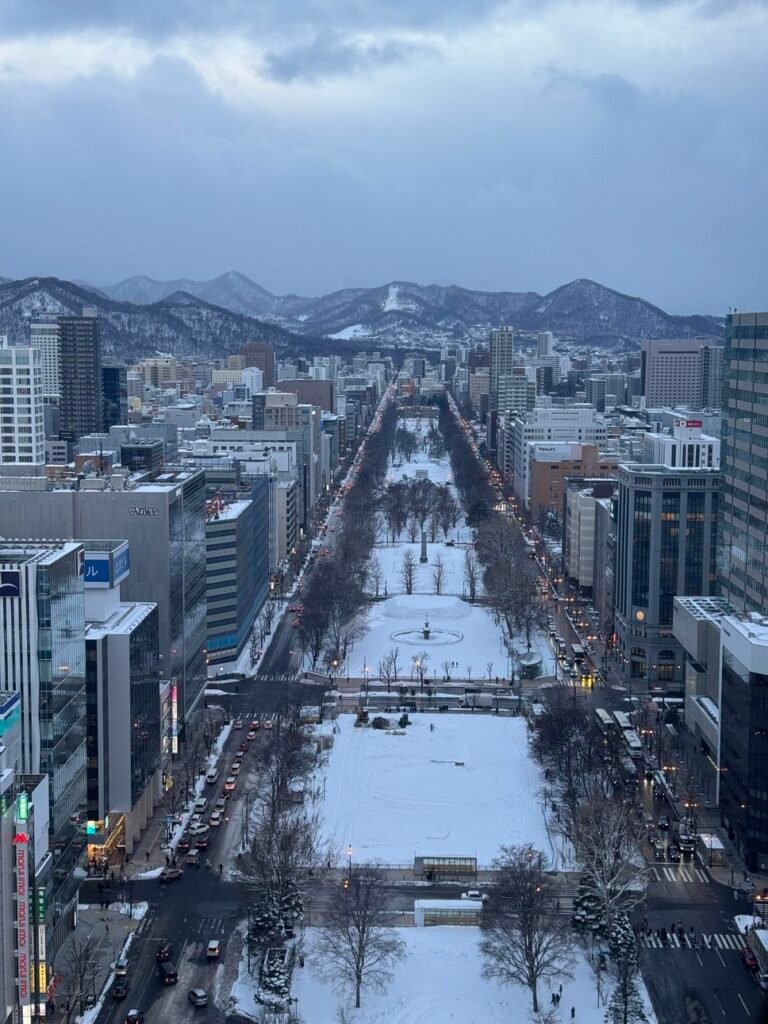
This is a Festival Place for All Seasons.
The park and the tower work together. “The Tower makes the Park, and the Park makes the Tower.”
- Winter: The world-famous Sapporo Snow Festival and White Illumination.
- Spring: The Lilac Festival.
- Summer: Flower competitions, Beer Gardens, and Fireworks festivals.
🎬 “First Love” Photo Spot
If you watched the Japanese drama First Love, you must visit the surroundings of the tower.
- The Spot: The pedestrian bridge near the tower is a key location from the show.
- Best Time: Visit at dusk when the tower’s lights turn on for the most romantic, cinematic photo.
📍 Access & Info
- Location: Odori Park West 1-Chome.
- Access:
- 1-minute walk from Odori Station (Subway).
- 15-minute walk from Sapporo Station.
- Facilities: Restaurants and a souvenir shop are located within the tower complex.
Frequently Asked Questions
Is 1,000 JPY worth it for the Sapporo TV Tower?
Honestly? It depends on what you’re after — but I’d say yes, if you’re visiting Sapporo for the first time.
Here’s my honest comparison with the free Tokyo Metropolitan Government Building (TMG) observatory in Shinjuku:
| Sapporo TV Tower | Tokyo TMG Observatory | |
|---|---|---|
| Price | 1,000 JPY | Free |
| Height | 90m | 202m |
| Views | City grid + mountains + Ishikari Bay | Tokyo skyline + (sometimes) Mt. Fuji |
| Crowd level | Low–medium | Often packed, especially weekends |
| Reservation needed | No | No |
| Atmosphere | Quiet, local vibe | Tourist-heavy |
TMG is objectively higher and costs nothing, so if you’re purely chasing views, Tokyo wins on paper.
But Sapporo TV Tower gives you something different: the city is small enough that you can actually make sense of the layout from up there. You can see Odori Park stretching west in a perfect line, the mountains ringing the city, and on a clear day, Ishikari Bay in the distance. It’s the kind of view where you finally understand why Sapporo was built the way it was — that grid layout becomes obvious from above.
If you’ve already been up TMG and you’re used to big-city skylines, you might find Sapporo’s view underwhelming. But if this is your first elevated view of a Japanese city? It’s a solid 1,000 JPY.
What’s the best time of day to go up?
Sunset on a clear day is the sweet spot — roughly 4:30–5:30 PM in winter, 6:30–7:30 PM in summer.
You get the city in golden light, then watch it shift to the full nighttime illumination from the same window. Two views for one ticket. The tower itself also lights up after dark, so if you’re shooting from the outside (down in Odori Park), evening is better too.
Midday is fine for mountain visibility — the distance haze hasn’t built up yet — but the lighting is flat for photos.
Do I need to book tickets in advance?
No reservation needed. You just walk up, pay at the counter, and go. I’ve never heard of anyone waiting more than a few minutes to get in — the tower doesn’t get the same crowds as a Tokyo attraction.
That said, during the Sapporo Snow Festival (early February), the whole Odori Park area gets very busy. The tower itself is usually manageable, but expect more people than usual.
Is the tower open in bad weather or snow?
Yes, it stays open through Sapporo’s brutal winters — the observation deck is enclosed and heated, so you’re comfortable even when it’s -10°C outside. The views on a snowy day have their own charm: the city below turns white, and if the snow is heavy enough you get that hazy, quiet atmosphere that’s hard to photograph but really nice in person.
The one thing to watch: on foggy or heavily overcast days, visibility drops a lot. You can still see the immediate city below, but the mountains and bay will be hidden.
Is the observation deck wheelchair accessible?
The tower has an elevator, so the observation deck itself is accessible. The surrounding Odori Park is flat and easy to navigate. Getting to the tower from Odori Station is a 1-minute walk on level ground.
Can I see Mt. Fuji from the tower?
No — Mt. Fuji is about 850 km south of Sapporo. What you can see on a clear day are the mountains surrounding Sapporo (including peaks in the Daisetsuzan range on clear winter days) and Ishikari Bay to the west. That’s the view worth watching for.
How long do most people spend at the top?
Honestly, 20–30 minutes is enough for most people. There’s no interactive exhibit that takes time — it’s purely about the view. I’d say budget 45 minutes if you’re a photographer who wants to wait for the light to shift, or if you’re there during sunset.
Combine it with a walk through Odori Park afterward and you’ve got a solid 1.5–2 hour block.
Is Odori Park free to enter?
Yes, completely free. The park itself runs 1.5 km through the center of the city and there’s no gate or ticket. You can walk through anytime — it’s open 24 hours.
The paid part is only if you want to go up the TV Tower. Everything at ground level — the park benches, the fountain, the seasonal festival grounds, the “First Love” photo spot on the pedestrian bridge — costs nothing.
When is Odori Park most crowded?
The two peak periods are:
- Early February: Sapporo Snow Festival. The park fills with giant snow sculptures and gets massive crowds, especially on weekends. It’s spectacular but plan for slow walking and long lines at food stalls.
- Late April / early May: Lilac Festival. The city is famous for lilacs and the park blooms in purple — less crowded than Snow Festival but still busy on weekends.
For the most peaceful visit, weekday mornings outside of festival season are ideal.
Is there anything to eat or drink at the tower?
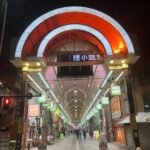
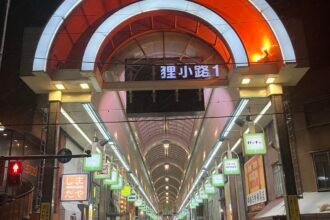
The tower has a small café on one of the lower floors — nothing fancy, but it’s there if you want to warm up with something hot after a winter walk. For a proper meal, Tanukikoji Shopping Street is about a 5-minute walk south and has far more options across all budgets.