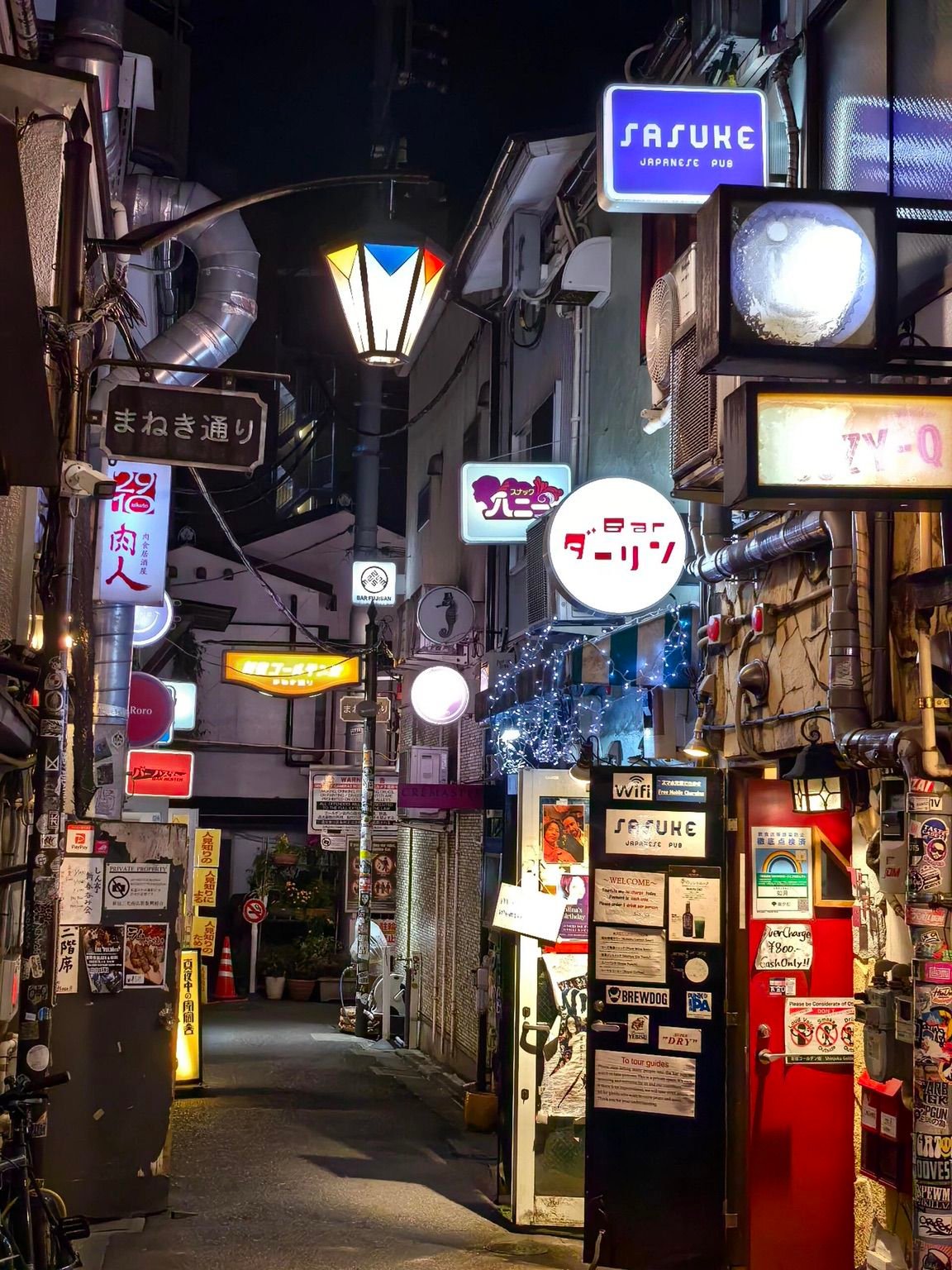
⛩️ Hanazono Shrine: A Serene Escape in the Heart of Shinjuku’s Chaos
One of my favorite things to do when traveling in Tokyo is to duck down the seemingly inconspicuous side streets. Hanazono Shrine (花園神社), located in the absolute heart of Shinjuku, is one of those places where you “step into another world.”
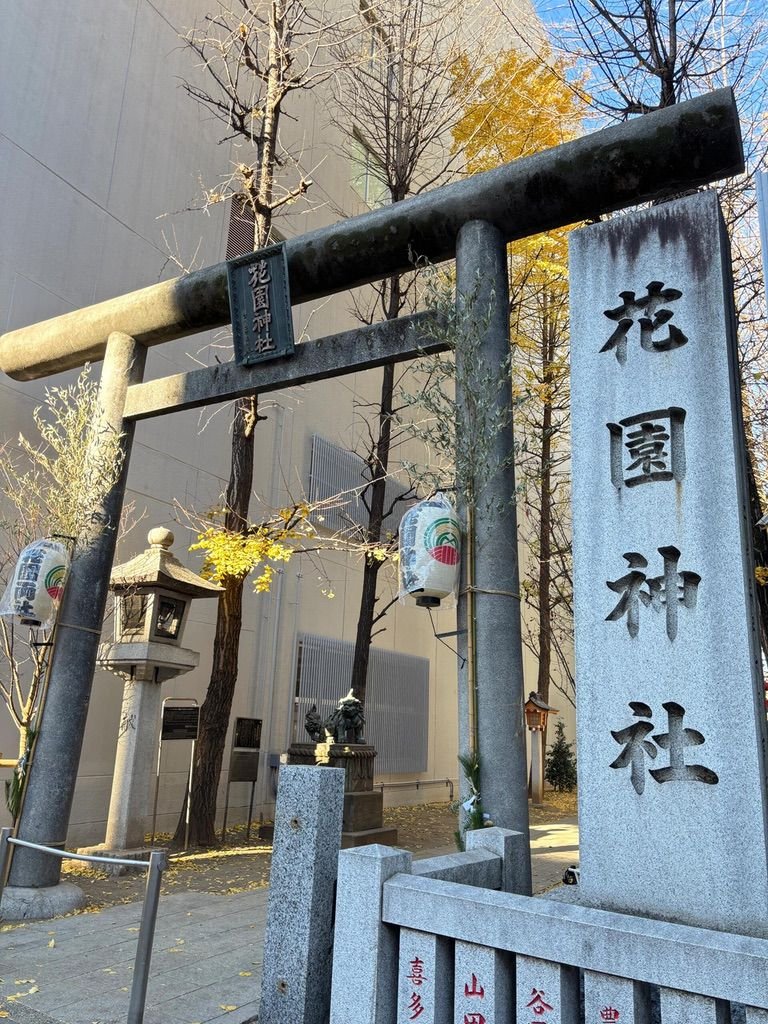
It’s right across from Isetan Men’s, surrounded by the non-stop energy of the city, yet it holds a profound, well-like quiet.
📍 Visitor’s Guide & Tips
- Address: 5-17-3 Shinjuku, Shinjuku-ku, Tokyo 160-0022
- Nearest Station: Shinjuku-Sanchome Station (approx. 3-minute walk).
- Who should visit? This shrine is perfect for city walkers, street photographers, art and music students (to pray to the “Geinō” gods!), and anyone seeking a “quick escape” from Tokyo’s intensity.
- Pro-Tip: The ginkgo trees are stunning in late autumn (November). I also saw a musician with a guitar paying respects in the evening, confirming its status as a haven for artists!
A Shrine of Flowers, Fire, and Art
Hanazono Shrine has a history stretching back hundreds of years, believed to exist even before Tokugawa Ieyasu entered Edo (the former name for Tokyo). Back then, this entire area was the “flower garden” (hanazono) of the Owari clan, filled with plants and trees.

Naturally, the shrine built here took that name. Like many places in Tokyo, it has been destroyed by fire and rebuilt by its devotees multiple times over the centuries.
During the Edo period, the shrine grounds were also used for performances, blending theater, festivals, and prayers. Because of this history, Hanazono Shrine is still revered as a place that enshrines the kami (deities) of ‘Geinō’ (performing arts). It’s a special place of pilgrimage for many actors, dancers, and musicians.
Stepping Out of the Neon
As you walk toward the entrance, the wind carries the hum of the city. But the moment you pass under the great vermilion torii gate, the atmosphere shifts.

The sound of traffic recedes. The rustle of ancient ginkgo trees takes over, their leaves painting the ground with dappled light. In that instant, the city’s noise is left outside, and all that remains is the sound of wind and your own footsteps.
If you visit on a weekend, you might stumble upon a small, charming flea market. Vendors lay out vintage records, antique jewelry, and even handwritten poems. It’s lively but never loud—a perfect example of Tokyo’s rare “breathing spaces.”
A Moment of Quiet Reflection
In Tokyo, noise is the default; silence is a luxury. Hanazono Shrine is that quietness, hidden in the city’s gaps.

The shrine itself isn’t massive, but it has a unique charm. The low, red-roofed main hall contrasts beautifully with the tall, proud ginkgo trees, creating a scene that is tranquil and warm, especially in the winter sun. I watched a few women in kimonos taking photos under the trees, a perfectly peaceful moment.
Next Spot: Shinjuku Golden Gai